Igniting Teamwork: Teaching Collaboration Through Problem-Based Learning

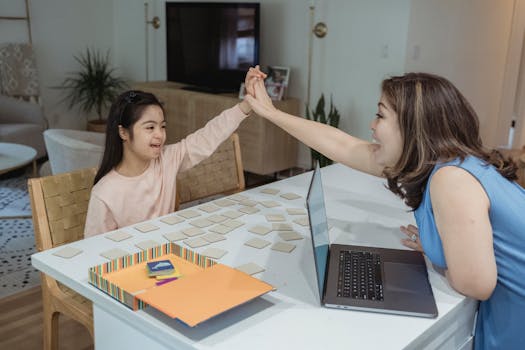
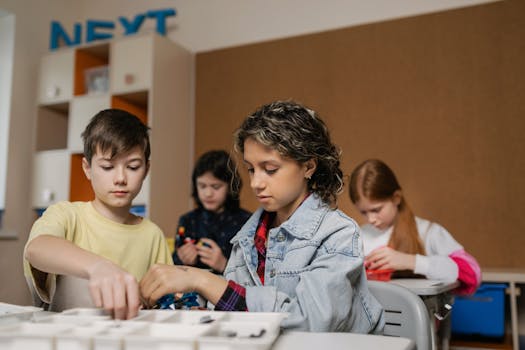
Picture this: a classroom buzzing not with individual frantic scribbling, but with hushed, focused discussions. Students are clustered around a shared document, debating hypotheses, assigning research tasks, and gently challenging each other’s assumptions. This isn’t a scene from a corporate retreat; it’s the potential of well-executed problem-based learning (PBL) in action, particularly when the explicit goal is teaching collaboration through problem-based learning. For too long, collaboration has been treated as a soft skill, a happy accident that might occur during group work. But what if we could intentionally cultivate it, using PBL as our powerful engine?
The reality is, the modern world demands individuals who can navigate complex challenges alongside others. They need to listen, synthesize diverse perspectives, and contribute meaningfully to a collective effort. Problem-based learning, by its very nature, provides fertile ground for this growth. It shifts the focus from rote memorization to genuine inquiry, requiring students to work together to dissect an authentic problem, identify what they need to learn, and then apply that knowledge collaboratively. It’s a dynamic approach that mirrors real-world work environments far more effectively than traditional lecture-and-test models.
Why PBL is Your Collaboration Superpower
At its core, PBL presents students with a complex, open-ended problem that doesn’t have a single, simple answer. This inherent ambiguity forces them to rely on each other. No single student is likely to possess all the necessary information or skills to tackle it alone. They must pool their knowledge, identify gaps in their collective understanding, and strategize how to fill those gaps. This process naturally fosters interdependence.
Furthermore, PBL encourages the development of crucial communication skills. Students learn to articulate their ideas clearly, actively listen to their peers, and provide constructive feedback. They must negotiate differing opinions, find common ground, and reach consensus. This isn’t about forcing everyone to agree; it’s about learning to navigate disagreement respectfully and productively. This is where the real magic of teaching collaboration through problem-based learning happens – turning abstract ideals into tangible skills.
Designing Problems That Demand Teamwork
The first step in leveraging PBL for collaboration is selecting or creating problems that require teamwork. Avoid problems that can be easily solved by one individual working in isolation. Think about challenges that have multiple facets, require diverse skill sets, or demand a breadth of knowledge that a single student wouldn’t possess.
Consider these characteristics of effective PBL problems for collaboration:
Authenticity: Problems should mirror real-world scenarios, whether scientific, social, historical, or ethical. This makes the stakes feel higher and the need for collective intelligence more apparent.
Complexity: The problem should be rich enough to warrant different approaches and perspectives. It shouldn’t be solvable with a quick Google search or a single textbook chapter.
Open-endedness: There should be multiple valid pathways to a solution, encouraging exploration and discussion.
Interdependence: Design the problem so that different pieces of information or different skill sets are needed, and these are distributed among the group members. For instance, one student might be strong in research, another in data analysis, and a third in creative ideation.
For example, instead of asking students to simply define “climate change,” a PBL approach might present them with a scenario: “Your town council has received a grant to implement one major sustainability initiative. Research the most impactful options for our community, considering economic feasibility, public opinion, and long-term environmental benefits. Present your recommendation with a detailed plan.” This problem necessitates research, analysis, persuasive communication, and consensus-building – all hallmarks of strong collaboration.
Structuring for Success: Facilitator Roles and Group Dynamics
Once you have the right problem, how do you structure the learning environment to maximize collaborative growth? Your role as an educator shifts from dispenser of knowledge to facilitator of learning. This is a critical aspect of teaching collaboration through problem-based learning.
Here are some practical strategies:
Strategic Group Formation: Don’t always let students choose their own groups. Consider creating diverse groups based on learning styles, strengths, and personalities. Sometimes, pairing a more dominant student with a quieter one can create a balanced dynamic.
Clear Expectations and Roles: At the outset, clearly define what collaboration looks like and what you expect from each group member. You might even assign roles within groups initially (e.g., facilitator, recorder, researcher, presenter) to help students understand different contributions. These roles can be rotated.
Establishing Ground Rules: Guide students in establishing their own group norms and rules. This might include rules for respectful disagreement, active listening, and equitable participation. Having students co-create these norms makes them more likely to adhere to them.
Scaffolding the Process: Break down the problem-solving process into manageable steps. Provide guiding questions and checklists to help groups stay on track. This prevents overwhelm and ensures that all members are engaged in each stage.
Regular Check-ins: Circulate the classroom frequently, observing group dynamics. Offer guidance, ask probing questions, and help groups troubleshoot challenges. Intervene gently when necessary, but allow them space to struggle and find their own solutions.
I’ve often found that asking groups to articulate their “process” as well as their “product” is incredibly valuable. This meta-cognitive reflection helps them identify what worked well in their collaboration and what could be improved.
Cultivating Essential Collaborative Skills
Beyond the overarching goal of teaching collaboration through problem-based learning, specific skills emerge and need to be nurtured. These include:
Active Listening: This means more than just hearing words; it’s about understanding the speaker’s perspective, asking clarifying questions, and responding thoughtfully. You can model this and provide prompts for students to practice it.
Constructive Feedback: Teaching students how to offer feedback that is specific, actionable, and supportive (rather than critical or dismissive) is paramount. Phrases like “I found this part confusing because…” or “Have you considered trying…?” are far more effective than “This is wrong.”
Conflict Resolution: Disagreements are inevitable. Equip students with strategies for managing conflict, such as identifying the core issue, brainstorming solutions, and compromising.
Shared Responsibility: Students need to understand that the success of the group depends on everyone contributing their fair share. Holding each other accountable, respectfully, is part of this.
It’s interesting to note how often students initially struggle with distributing workload evenly. They might either have one student carrying the entire burden or, conversely, have members who disengage, assuming others will pick up the slack. Consistent guidance and reflection on these dynamics are key.
Assessment: Beyond the Final Product
Assessing collaboration in a PBL environment requires moving beyond just grading the final output. While the solution to the problem is important, the process of arriving at that solution, and how well the students worked together, is equally, if not more, critical.
Consider incorporating these assessment methods:
Peer Evaluations: Have students evaluate their group members on their contributions, teamwork, and adherence to group norms. Provide a clear rubric for this.
Self-Reflection Journals: Students can reflect on their own collaborative process, their strengths, and areas for improvement.
Observation Checklists: Use checklists during your own observations to note specific collaborative behaviors (e.g., active participation, offering support, asking clarifying questions).
* Process Portfolios: Groups can submit documentation of their brainstorming, research, drafts, and discussions, showcasing their collaborative journey.
By assessing both the product and the process, you send a clear message about the value you place on collaborative skills. This holistic approach is vital for effective teaching collaboration through problem-based learning.
Wrapping Up: The Ripple Effect of Collaborative Learning
Ultimately, teaching collaboration through problem-based learning is an investment in your students’ futures. You’re not just teaching them to solve a specific problem; you’re equipping them with the essential interpersonal and critical thinking skills that will serve them throughout their academic careers and beyond. Start small, focus on designing compelling problems, and be deliberate in your facilitation. The rewards, seen in engaged, empowered, and truly collaborative learners, are well worth the effort.

Related Posts
Cultivating an Unshakeable Foundation: Strategies for Promoting Academic Integrity

Unlocking Creative Potential: Navigating the Landscape of Interactive Art Instruction