Beyond Basic Safety: Engineering Independence into the Senior Home Environment

As our loved ones age, the familiar comfort of their own home can, paradoxically, become a landscape of unexpected challenges. The question isn’t just about how to make your home more accessible for seniors in a rudimentary sense, but rather about thoughtfully redesigning living spaces to foster enduring independence, dignity, and a robust quality of life. This requires a nuanced understanding of the evolving physical and cognitive needs associated with aging, moving beyond mere compliance to embrace proactive, empathetic architectural and interior design principles.
The objective is to create an environment that anticipates potential difficulties, minimizes risks, and maximises the occupant’s agency. It’s about empowering seniors to continue navigating their personal sanctuary with confidence and ease, reducing reliance on external assistance and preserving their autonomy for as long as possible.
Rethinking the Threshold: Entryways and Transitions
The initial impression and, more importantly, the first physical interaction with a home are crucial. Traditional thresholds often present formidable barriers.
#### Navigating the Entrance with Ease
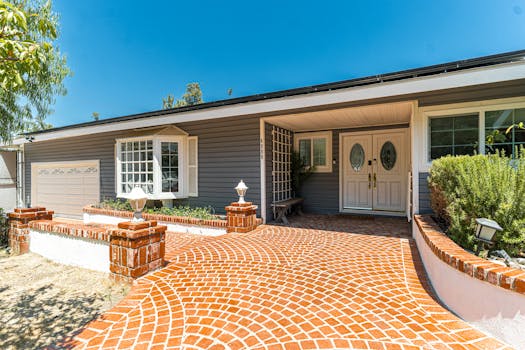
Eliminating Steps: Where feasible, converting stoops to gently sloping ramps or even level entries significantly reduces fall risks and the physical exertion required to enter and exit. This isn’t just about wheelchair users; it benefits anyone with mobility challenges.
Doorway Widening: Standard doorways can be constricting, particularly for those using mobility aids. Widening doorways, even by a few inches, makes a tangible difference in navigating furniture and passing through rooms.
Lever Handles Over Knobs: Replacing traditional round doorknobs with lever-style handles requires less grip strength and fine motor control, making them far more accessible.
Well-Lit Approaches: Ensuring pathways leading to the entrance are consistently and adequately lit is paramount. Consider motion-sensor lighting for evening hours.
The Bathroom: A Nexus of Vulnerability and Opportunity
The bathroom is frequently cited as the most hazardous room in the house for seniors, primarily due to the presence of water and hard surfaces. Addressing its specific needs is perhaps the most critical aspect of how to make your home more accessible for seniors.
#### Designing for Safety and Comfort in Wet Areas
Tackling the Tub: Bathtubs, with their high sides, are a significant fall risk. Consider replacing a traditional tub with a walk-in shower. If a full replacement isn’t an option, installing a sturdy grab bar inside the tub and a non-slip mat is essential.
Shower Seating Solutions: A built-in shower bench or a portable shower chair provides a much-needed respite and a secure place to sit while bathing.
Toilet Height and Support: Standard toilets can be too low. Installing a comfort-height toilet or using a raised toilet seat can make transfers to and from the toilet considerably easier. Again, strategically placed grab bars are non-negotiable.
Non-Slip Flooring: Replacing slippery tiles with textured, slip-resistant flooring in the bathroom is a fundamental safety measure. Even simple adhesive strips on existing tiles can offer some improvement.
Accessible Fixtures: Lever-style faucets on sinks and showers are easier to operate than traditional cross handles.
Navigating the Living Space: Enhancing Mobility and Reducing Obstacles
Beyond the high-risk areas, everyday living spaces can be optimized to promote fluidity of movement and prevent minor mishaps.
#### Creating Clear Pathways and Secure Surfaces
Decluttering: This might sound obvious, but a consistently tidy environment is crucial. Remove unnecessary furniture, loose rugs, and any tripping hazards that may have accumulated over time.
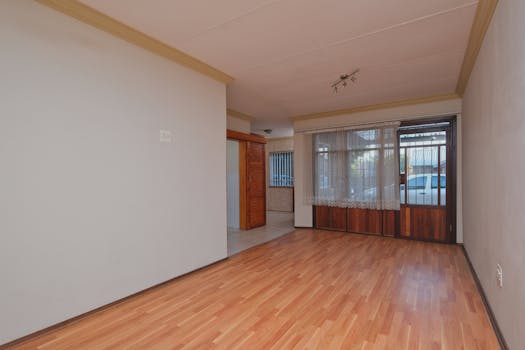
Carpet Considerations: While some prefer the warmth of carpet, thick pile can be difficult for walkers or wheelchairs to navigate. Opt for low-pile carpets or consider hard flooring with area rugs that are securely fastened or have non-slip backing.
Furniture Arrangement: Ensure pathways between furniture are wide enough to accommodate mobility aids. Avoid sharp corners on tables and other furniture.
Stair Lifts and Handrails: For multi-story homes, stairlifts are a game-changer. If not, ensuring robust, continuous handrails on both sides of any staircase is vital.
Lighting Everywhere: As a general rule, homes need more lighting as people age. Consider task lighting for reading, ambient lighting to reduce shadows, and path lighting throughout the house.
Kitchen and Bedroom Adaptations: Fostering Daily Independence
These private sanctuaries also hold opportunities for thoughtful modifications that significantly impact a senior’s daily routine and sense of self-sufficiency.
#### Optimizing Functional Zones
Kitchen Accessibility:
Countertop Height: Adjustable or varied countertop heights can accommodate seated tasks more comfortably.
Pull-Out Shelves: Installing pull-out shelves in lower cabinets reduces the need for bending and reaching.
Easy-Grip Utensils: Consider utensils with larger, ergonomic handles for easier gripping.
Smart Appliance Placement: Positioning frequently used appliances within easy reach is a small but impactful change.
Bedroom Comfort and Safety:
Bed Height: An adjustable bed or a bed frame that allows for a comfortable transfer height is beneficial. Ensure there’s ample space around the bed.
Nightstands: Easy-to-reach nightstands with accessible lamps and essential items can prevent nighttime excursions.
Closet Access: Consider lower hanging rods or pull-down closet systems to make clothing more accessible.
Technology and Beyond: Augmenting Safety and Well-being
Modern technology offers a sophisticated layer of support that can enhance safety and communication without compromising the home’s aesthetic.
#### Smart Solutions for Enhanced Living
Smart Home Integration: Voice-activated assistants can control lights, thermostats, and even entertainment systems, reducing the need for physical interaction.
Personal Emergency Response Systems (PERS): These wearable devices offer immediate access to help in case of a fall or other emergencies.
Security Systems: Advanced security systems can provide peace of mind, and some offer features like remote monitoring for family members.
Visual and Auditory Aids: Consider amplified phones, visual doorbells, and smoke detectors with strobe lights for those with hearing or visual impairments.
Final Thoughts: A Proactive Approach to Dignified Aging
Ultimately, understanding how to make your home more accessible for seniors* is not merely about installing grab bars and ramps; it’s about cultivating an environment that respects and nurtures the evolving needs of its inhabitants. It’s about a continuous process of observation, adaptation, and thoughtful design that prioritizes dignity, safety, and the profound joy of independent living. The most impactful change often starts with a simple conversation and a willingness to see familiar spaces through a new, more accommodating lens.